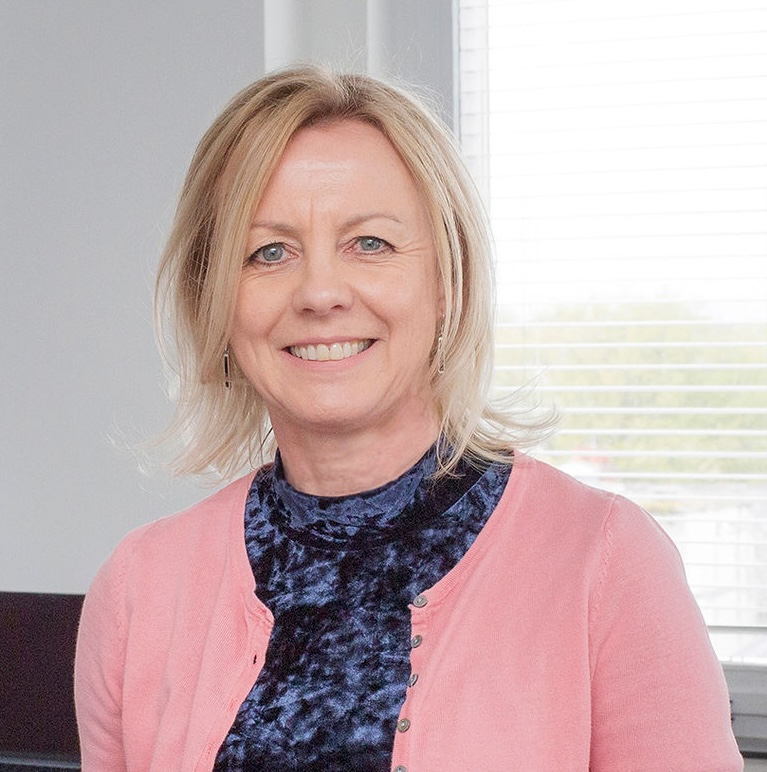
After building a second career in interior design and shaping a successful high-end studio based in the Cotswolds, Julia Murray has spent 15 years shaping homes with precision. Here, she reflects on her journey, leadership lessons, and what it really takes to grow a service-led business with such a personalised offering.
Tell us a little about your business and how you ended up here, Julia.
I’m the founder and senior designer at The House Ministry, a high-end residential interior design studio based in Cheltenham. We primarily work with business owners and senior professionals – people who are short on time and used to bringing in experts to deliver results.
Our work goes far beyond aesthetics. We’re often involved early in the design process, helping clients think about how their home functions and how they want to live. It’s about creating spaces that reflect their lifestyle, their aspirations, and their journey through life, not just choosing fabrics and finishes.
This is actually my second career. I spent my twenties and early thirties working in project management at EMI Records, which gave me a strong foundation in organisation and delivery. After starting a family, I reached a point where I had to decide what came next, and I realised I’d need to create my own opportunity.
I’d always had an interest in interiors, but I’ll be honest, I got it wrong many times! My own homes didn’t turn out how I wanted, and I had some difficult experiences managing trades. That pushed me to properly retrain. I completed courses in curtain making, tiling, and plastering because I wanted to understand every element of the process. And after gaining a diploma in Interior Design and Decoration, and taking a series of other courses, I quickly realised that projects don’t run themselves. Someone needs to orchestrate everything, and I wanted that someone to be me!
What are your career inflection points?
There are really two sides to building a successful business: becoming good at your craft and becoming good at running a business. I had to learn both.
In the early years, I worked part-time while raising my children. A major shift came in 2017 when I became a limited company and VAT registered. That was the moment I started to see myself as a professional business.
Hiring people and bringing in external support, like a business coach, was another turning point. It helped me understand which projects were actually profitable, which clients were the right fit, and how to position my services more effectively.
The pandemic was a standout difficult period. While many people were investing in their homes, they weren’t necessarily my target clients. The real shift came through networking; connecting with other business owners, learning from them, and developing my business skills. That experience fundamentally changed how I approached growth.
One piece of advice that stayed with me from early on was: you don’t have to be the best designer, but you do have to be the best marketer. That’s something I’ve come to appreciate more and more over time.
What’s the most difficult financial or strategic decision you’ve ever had to make?
Two things stand out: raising my prices and hiring my first team member.
Pricing was particularly challenging because interior design is incredibly time intensive. A project can take months, and you have to charge accordingly, but that can feel uncomfortable, especially early on. I had to accept that my service isn’t for everyone, and that’s OK.
Hiring was another learning curve. Without experience in another design studio, I had to figure out processes, HR requirements, and legal considerations from scratch. It was a big step, but a necessary one if I wanted to evolve the business.
I’ve also had to get better at communicating costs to clients. Projects are often a bigger investment than people initially expect – often because rooms are completed in one go, and not in a piecemeal fashion – so I’ve refined my process to address this much earlier and more transparently.
If you could replay your first leadership role, what would you do differently?
I managed a small team during my time at EMI, and that experience gave me a strong grounding in structure and process. Interior design may be creative, but it still requires discipline and organisation.
That said, if I could go back, I would have invested in external support – particularly a business coach – much earlier. It took me time to find the right person, but once I did, it made a huge difference.
Interestingly, I’d often hear similar advice from my husband, but it took an independent voice for it to really land. Since then, I’ve invested heavily in training and development, including joining organisations like Entrepreneurs’ Circle. That knowledge has been invaluable.
What would you say are the mistakes that are worth making earlier on in a career?
One of the biggest misconceptions is that someone else will manage your career progression for you. In my experience, that’s rarely the case.
You have to take responsibility for your own development, your decisions, and your direction. This is especially important for women, who can sometimes be overly loyal to a business or hesitant to push for change.
Another key lesson is that people can’t read your mind. If something isn’t working, you have to communicate it. And if you’re ambitious, you need to act on that ambition. No one else will do it for you!
How do you build trust with your senior team?
Open communication is essential. I always encourage my team to speak up, whether that’s because something is bothering them or they have ideas to share. We have regular check-ins and appraisals to make sure those conversations are happening.
We’re a small, close-knit team, and I’ve made a conscious decision to have everyone working together in the office. Especially for junior designers, there’s so much value in observing and learning from real interactions with clients and trades.
What leadership advice do you NOT hear often enough?
I think we don’t talk enough about the importance of clarity, both in the way we communicate and the expectations we have of ourselves and others.
Leaders often assume people understand what’s required of them, but that’s not always the case. Being explicit, setting clear standards, and revisiting them regularly can make a huge difference.
What do you think are the non-negotiable skills for women who want to move into leadership positions?
Financial literacy is critical. You need to understand how money flows through a business – costs, margins, profitability. These aren’t skills you’re born with, but they can absolutely be learned.
In my industry, even small details can have a big impact on cost, so having a solid grasp of numbers is essential.
Alongside that, empathy is a strength, but it needs to be balanced with resilience. There are times when you have to make difficult decisions or have uncomfortable conversations. You can still do that with kindness, but you need a strong (and sometimes steely) core to support it.
What overarching advice would you give to women who are aiming for the next level in their career?
Give yourself time to think. Not everyone can make decisions instantly, and that’s fine. Preparation is key, too, whether it’s for meetings or major decisions.
I often use a simple analogy: some decisions are like hats, you can change them easily. Others are like hair, they take time to grow out. And some are like tattoos – much harder to reverse. The key is recognising which is which and not overthinking the smaller decisions.
Secondly, be proactive in your own development. Don’t expect opportunities to be handed to you.
And perhaps most importantly, don’t compare your beginning to someone else’s middle or end. It’s easy to do, especially in the age of social media, but it’s rarely a fair comparison.
How can the wider workplace provide better support to women?
By providing affordable childcare and better support around maternity leave. These are real, practical challenges that impact our career decisions.
There also needs to be greater awareness of personal safety, particularly for women working late or visiting unfamiliar locations, as is often the case in my industry.
Flexibility is another important factor. Allowing time for appointments or personal responsibilities can make a significant difference in retaining the best talent.
What assumptions do you think people make about women in the workplace? Are they fair?
There can be assumptions about commitment, particularly for those working part-time. But this isn’t exclusive to women. It’s more about individual circumstances than gender.
In my experience, differences in the workplace are less about gender and more about personality. Understanding those differences is key to building effective teams. Books like Surrounded by Idiots offer useful insights into how different personality types interact.
Returning to work after time away – like years spent raising a family – can also impact confidence. But knowledge is incredibly empowering. The more you invest in learning and developing your skills, the more confident and capable you become.